Why Your Relationship Feels Like a Battlefield: Understanding Trauma Bonding vs. Secure Attachment in Couples
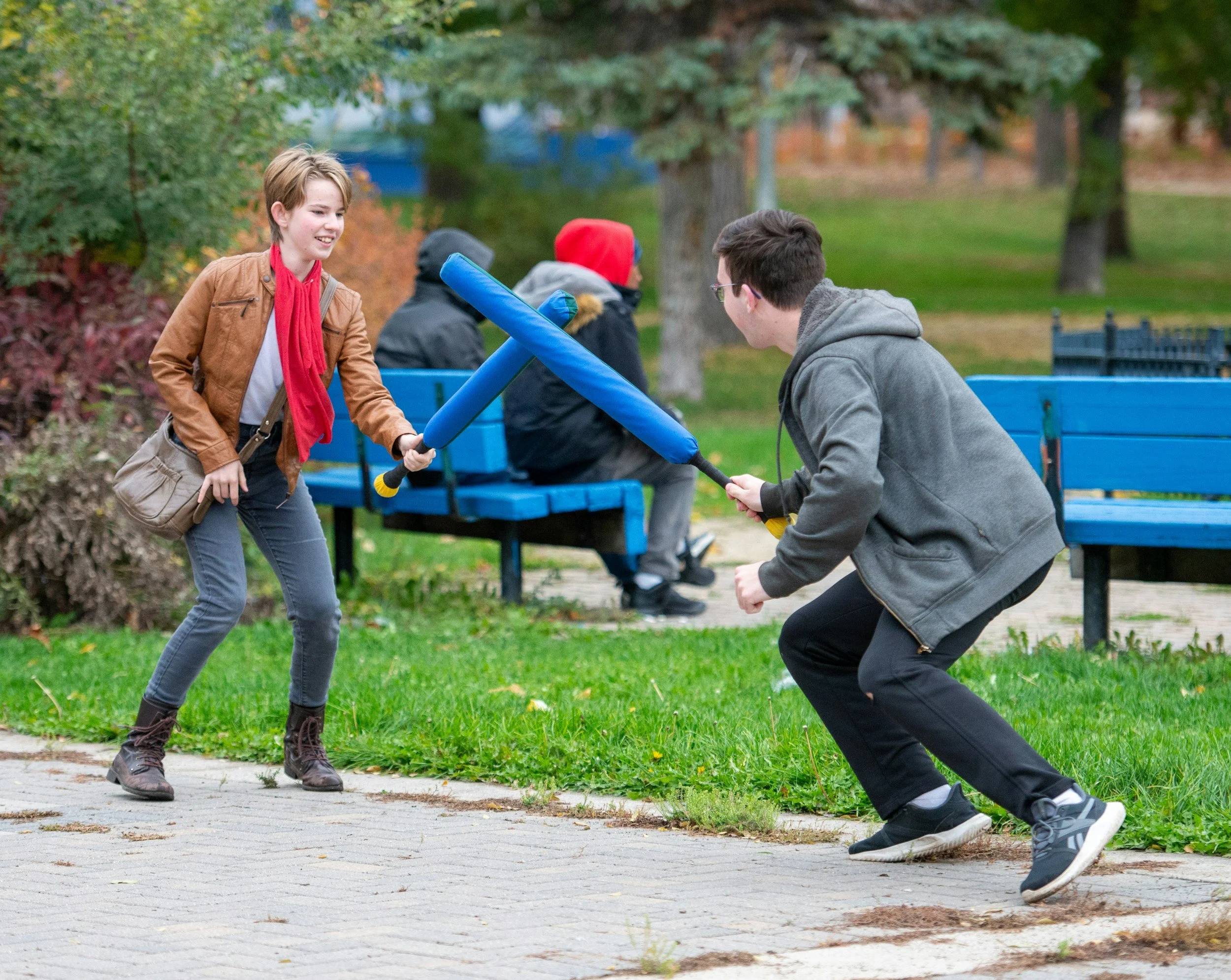
So many of us have been taught love in an unhealthy way. This can be compounded by our values, self-worth, and our interactions in adult relationships. Many individuals can be very high functioning on the outside, and still struggle with relationship satisfaction and connection. It can be confusing for the individual, couple and those around them as they see the tumultuous impact on both parties. So many of us, seek individual and couples therapy when feeling confused, exhausted, and utterly low in self-worth and lovability.
What Is Complex Trauma in a Relationship Context?
Complex PTSD also known as (C-PTSD) is defined as a distinct, more pervasive diagnosis than standard Post Traumatic Stress Disorder (PTSD), typically resulting from chronic, repeated, and inescapable interpersonal trauma ( PTSD Van der Kolk, 2020–2023). This is a vastly different than what we know as PTSD, typically focusing on a single event and its fear based symptoms, C-PTSD formally recognized in the ICD 11 (2022) which includes all the core PTSD symptoms and Disturbances in Self-Organization (DSO), specifically emotional dysregulation, negative self-concept, and relational difficulties.
Childhood attachments, often known by specialists to be formed before the age of six are pre-verbal and often taught by non-verbal and verbally messaging by primary caregivers. This is deeply interwoven into our self-worth and lovability and cannot be quantified easily by someone without a true understanding of their emotional and interpersonal relationships. Most adults that I work with that fits the C-PTSD diagnosis are in flight and fight more than they know, which causes memory and relational problems. Every memory deserves respect, however many are unknown and did not even conceptualize it as any issue as they were literally taught love before they understood it. This varies greatly by gender, demographics, parental stress inventory, and resiliency factors beyond their understanding.
How childhood attachment wounds Show up in Adult Partnerships
So much of the relationship dysfunction in childhood attachment wounds show up in adult partnerships secondary to the pursuer and the withdrawer dynamic as they are on the autopilot of this childhood attachment wound. It is an actual neurobiological trauma response where individuals use relational patterns to manage intense anxiety and emotional overwhelm to seek safety and security. Cloitre et al.'s, 2020’s treatment guidelines for complex trauma, review this cycle involving establishing emotional safety and utilizing therapy to move from reactive behaviors to emotional regulation. I love working on building interpersonal emotional regulation, but it takes a lot of work from both parties.
Trauma Bonding — What It Actually Is (Not What TikTok Says)
Clinical definition of trauma bonding which requires two components to be present. The first is to have an unequal power dynamic where one partner has significant power and authority over the other partner. The second is the intermittent rewards and punishment which causes harmful behaviors and positive rewards from time to time. This causes one to feel that leaving the relationship feels impossible and provides a neurobiological explanation for why they stay in the unhealthy relationship, when others who care for them try to persuade them to leave. Even with facts and resources supporting them, they may not feel they can.
The psychology of attachment and trauma is difficult to understand without a clear understanding of this cycle. Insecure and disorganized attachment is associated with higher rates of traumatic events and re-enactment of the unhealthy attachments in adult relationships later in life often, which can be very confusing to observe. There are some good articles to understand it here.
What Secure Attachment Can Actually Look Like?
All we want to do is feel safe and supported in our relationships. This is often tied to our emotional security and safety and reactions in the small acts everyday over time. Many of us are not taught how to love well with C-PTSD and within toxic trauma bonds potentially with past relationships and family members, possibly in the relationship you are currently trying to reconnect and build in. Many feel it must be earned or it might be impossible to feel secure attachment after what you endured previously (spoiler, it's possible after trauma).
Co-regulation as a couples skill is possible and manageable with consistency, compassion, accountability, and emotional regulation. Many Couples therapists teach about the emotional regulation and co-regulation through the Polyvagal Theory for Couples.
Evidence-Based Steps Couples Can Take Right Now
I know that all this can feel and read as scary for your relationship, however coming from a Couples Therapist who understands it thoroughly and have seen people heal their attachment, I know there is great improvements with a clear path of couples therapy utilizing evidenced based therapy approaches.
I teach Gottman Method Couples interventions, interweaving inner child as well EFT approaches. However some couples need more support through EMDR, IFS, and creating co-regulation through emotional nervous system interventions.
1. Name the nervous system state of the feeling, feelings are not facts, try not to label the person in the situation as good or bad, your partner is your ultimate teacher of your emotions. Many times this is due to inner child components from our earliest years of attachment. 2. Create a "pause for the cause protocol" together that makes you both feel seen, heard, and considered
3. Practice co-regulation rituals that wake you up to understanding (eye contact, deep pressure massage, breath sync)
4. Map your individual trauma triggers without blame
5. Seek EMDR-informed couples therapy
Think of your nervous system like a smoke alarm — sometimes it goes off when there's burnt toast, not an actual fire. Your job as a couple is to learn whose alarm is extra sensitive and why — not to blame each other for the smoke. If any of this resonates with you and your partner, you're not broken — you're responding to real inner wounds that are still impacting you. Reach out today to explore couples therapy that actually understands trauma and healing.